Press release , Nov 04, 2026
Clear Price Advantage Over Diesel Gives Bio-LNG Sales a Boost
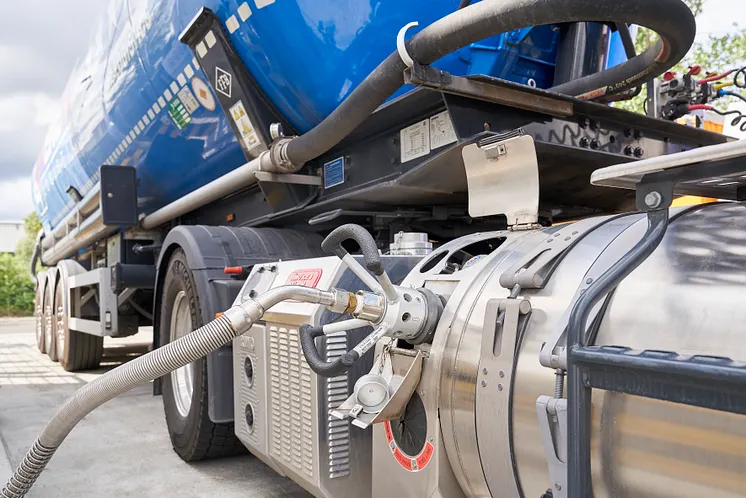
- Almost 50,000 tonnes of LNG were sold at German filling stations in the third quarter of 2026—the second-highest quarterly figure since records began.
- As in the first half of the year, the biomethane share was 100 percent.
- Kehler: “Bio-LNG is a mature, cost-effective alternative for heavy-duty transport that significantly reduces emissions. It is all the more surprising that, for road tolls, policymakers continue to place Bio-LNG on the same level as fossil diesel. Bio-LNG should be placed in at least CO₂ emissions class 4 for toll purposes.”
After several quarters of largely stagnant sales, the third quarter of 2026 saw a positive turnaround: 47,335 tonnes of LNG were dispensed at German filling stations. That is around 18 percent more than in the same quarter last year, and the second-highest figure since records began in 2019. The infrastructure also continued to expand: Bio-LNG is now available at more than 210 filling stations in Germany.
“Bio-LNG combines a cost advantage over diesel with significantly lower greenhouse gas emissions,” says Dr. Timm Kehler, CEO of the German Association of Gas and Hydrogen Industries. In the first half of 2026, the average price of Bio-LNG was around €0.75 per kilogram. For diesel, the German Federal Association for Road Haulage, Logistics and Waste Management (BGL) reports a price of €1.50 per litre for bulk consumers. This means that the price per kilogram of Bio-LNG was about half the reference price per litre of diesel. The price advantage is due primarily to the fuel being produced locally, making it independent of price fluctuations in international fossil fuel markets. “Bio-LNG doesn’t have to pass through the Strait of Hormuz,” Kehler says.
This also enables suppliers to offer long-term price stability, a major advantage for freight and logistics companies: it provides a reliable basis for cost calculations and makes planning easier. At the same time, Bio-LNG improves the climate footprint of heavy-duty transport. In the third quarter of 2026, the recorded volume of LNG saved more than 370,000 tonnes of CO₂ equivalents[1] compared with diesel. Extrapolated over the full year, the association expects savings of nearly 1.5 million tonnes. As in the first half of the year, the biomethane share was 100 percent.
In light of these positive results, the association is calling for the climate benefits of renewable fuels to finally be reflected in truck tolls. Specifically, the German government should establish the legal framework for the CO₂ component of the toll for Bio-LNG to reflect its actual emissions profile, rather than placing it in the same toll class as diesel, as it does now. Kehler adds: “Bio-LNG’s climate benefits must also be recognised in the toll system. Bio-LNG should be placed in at least CO₂ emissions class 4 for toll purposes.”
[1] Basis: GHG value of -94.31 g CO₂
